You Never See the Sun Where It Actually Is — Only Where It Was 8 Minutes Ago
Light takes time to travel, so every glance into space is a glance into the past. The night sky shows stars as they were years, even millennia, ago.
Today’s hidden fact · Sunday, August 9, 2026
Voyager 1 is over 24 billion km away, so far its radio signal takes 22+ hours to arrive, sent by a transmitter weaker than a refrigerator bulb.
A football-field-sized lab, falling around Earth at 8 km every second.
Crew-12 Dragon Jessica Meir · Jack Hathaway · Sophie Adenot · Andrey Fedyaev
Shenzhou 23 Zhu Yangzhu · Zhang Zhiyuan · Lai Ka-ying
Soyuz MS-29 Pyotr Dubrov · Anna Kikina · Anil Menon
Crew-13 Dragon Jessica Watkins · Luke Delaney · Joshua Kutryk · Sergey Teteryatnikov
2015 TS238

NASA Science
Have you ever seen the full moon rise? This colorful image was photographed last weekend in Sicily, just outside the town of Nicosia, in Italy. It is a composite photograph that shows the Moon rising as the sky turns darker. Lower clouds are reflecting the col…

Falcon 9 Block 5 | SDA Tranche 1 Transport Layer A
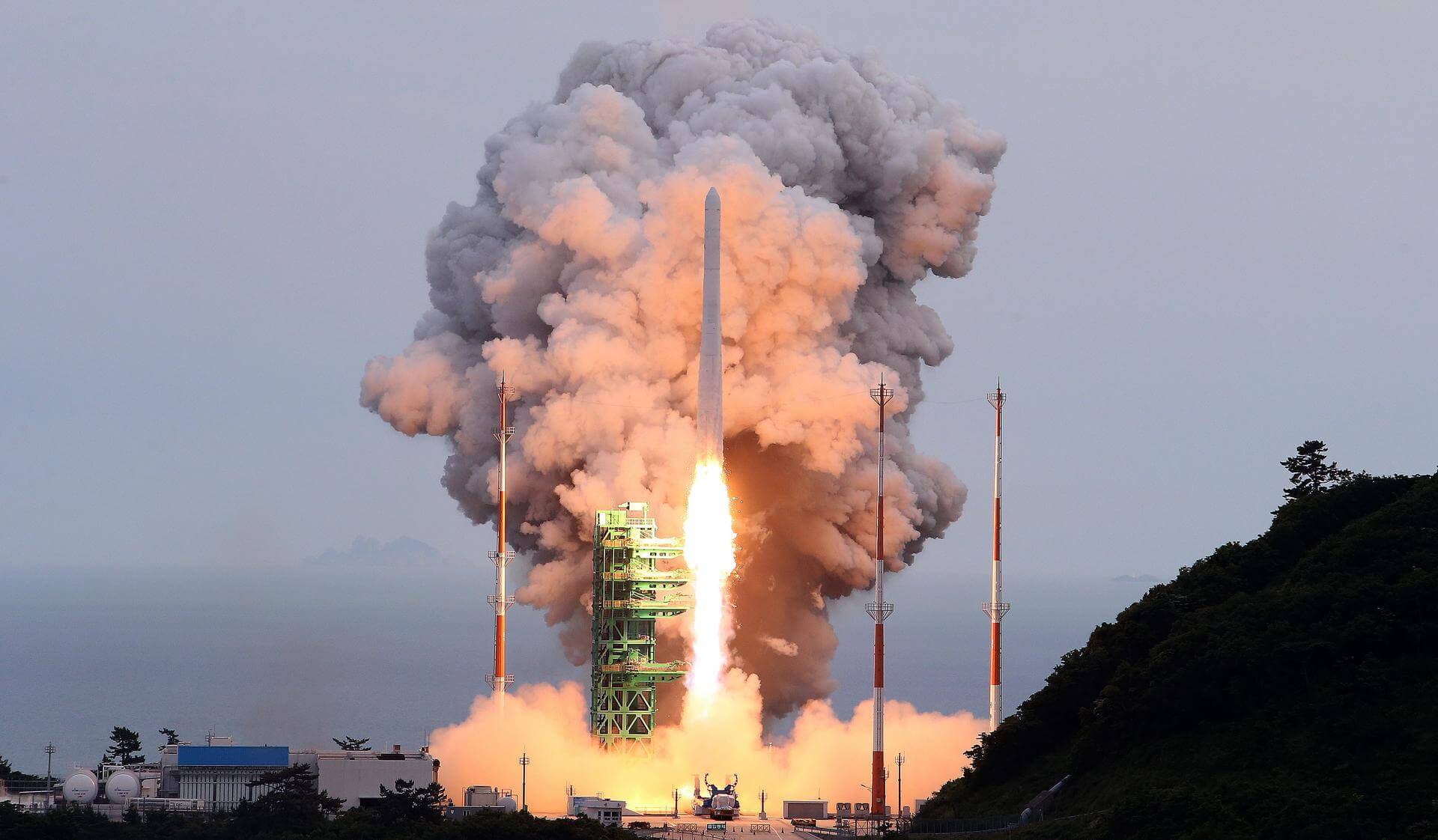
Nuri | NeonSat-2 to 6
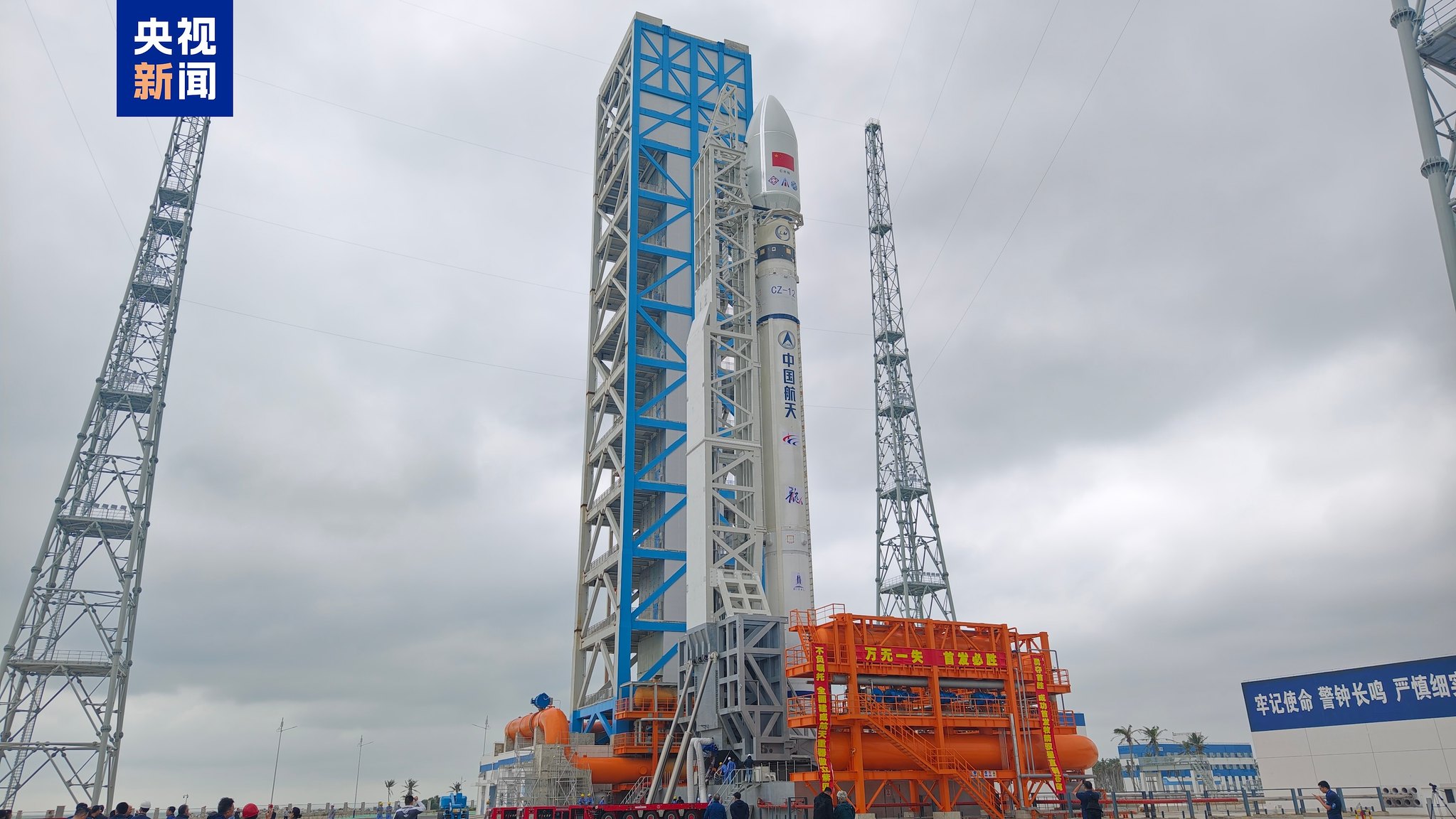
Long March 12 | Unknown Payload

Falcon 9 Block 5 | Starlink Group 15-25
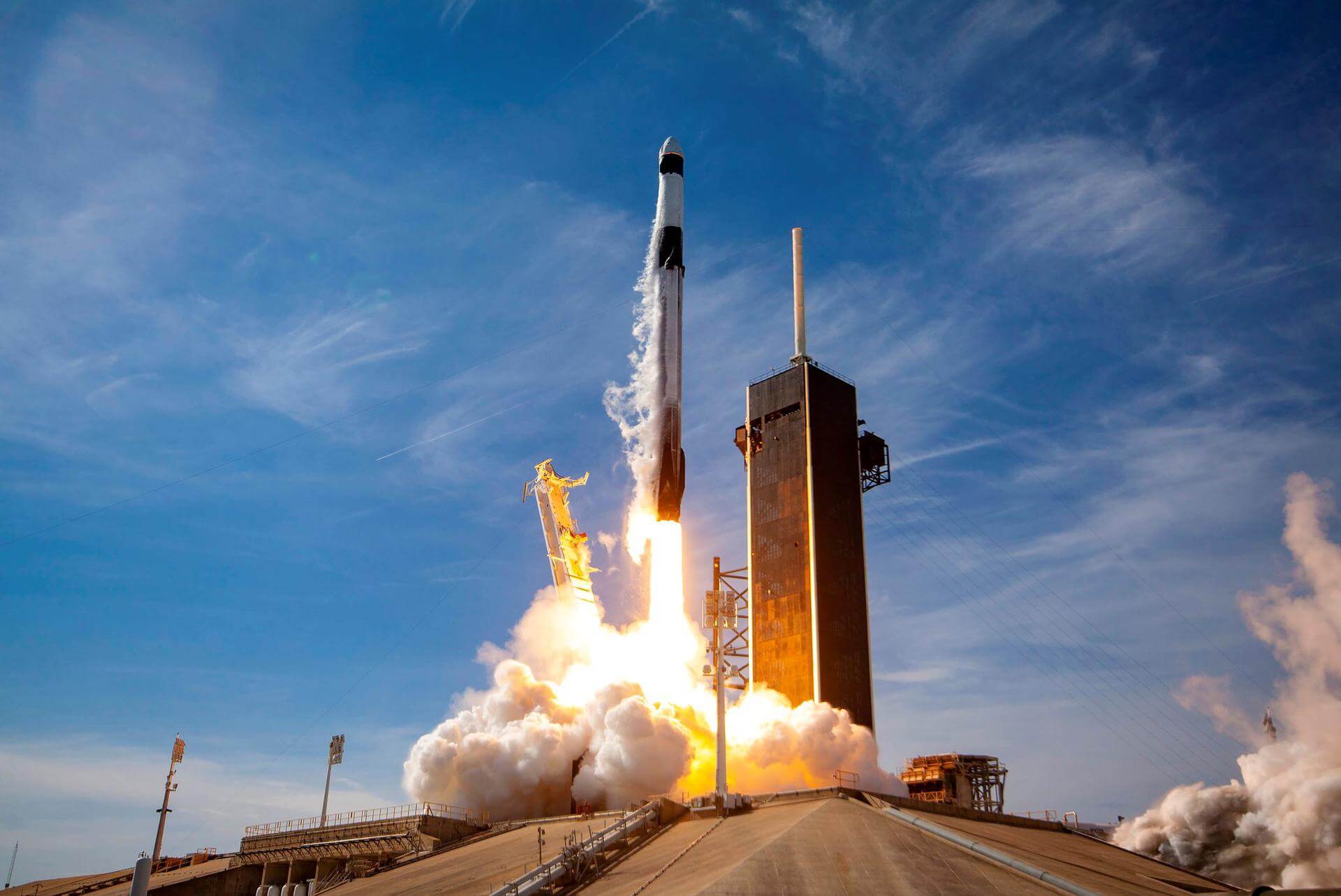
Falcon 9 Block 5 | Dragon CRS-2 SpX-35
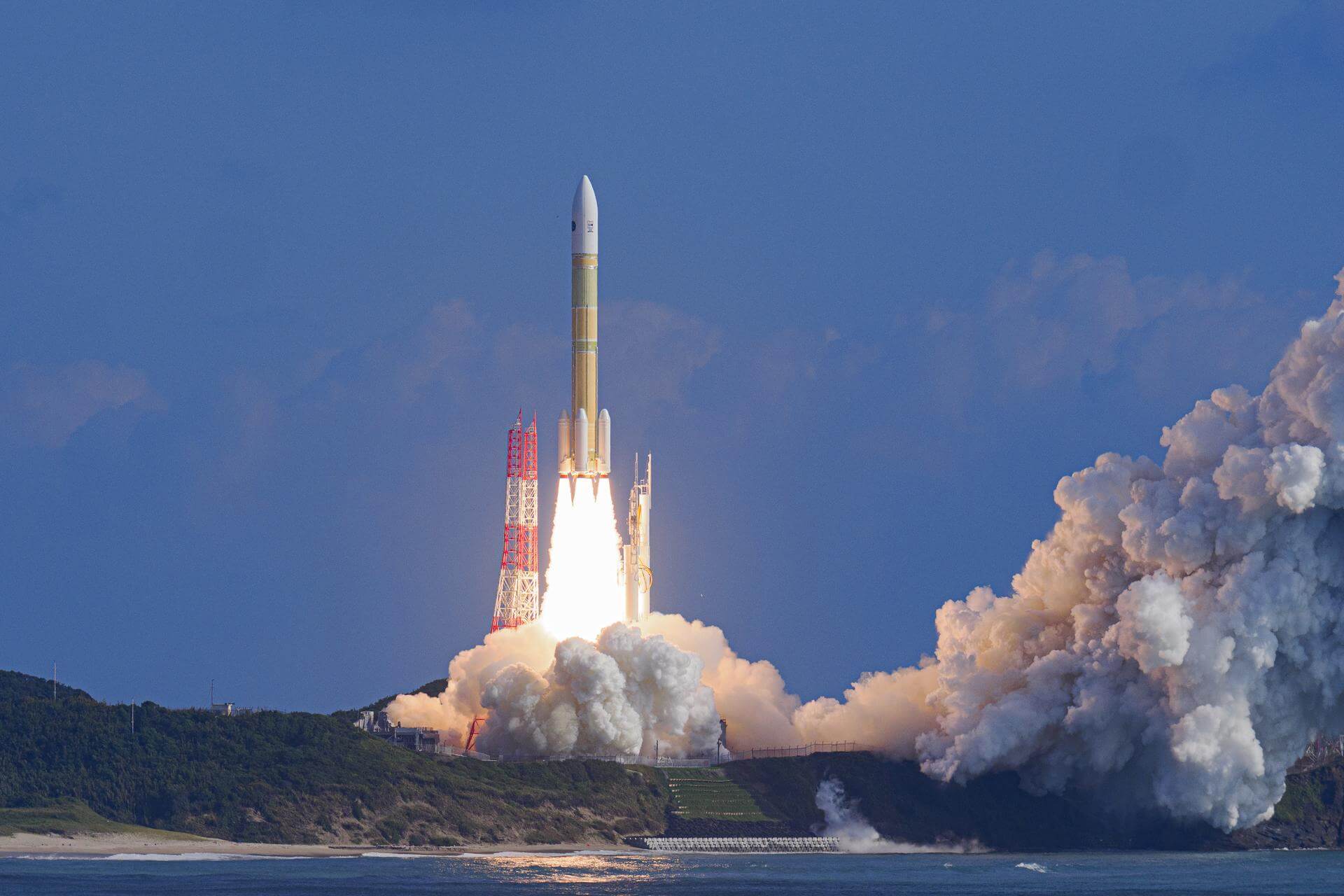
H3-24 | Martian Moon eXplorer (MMX)
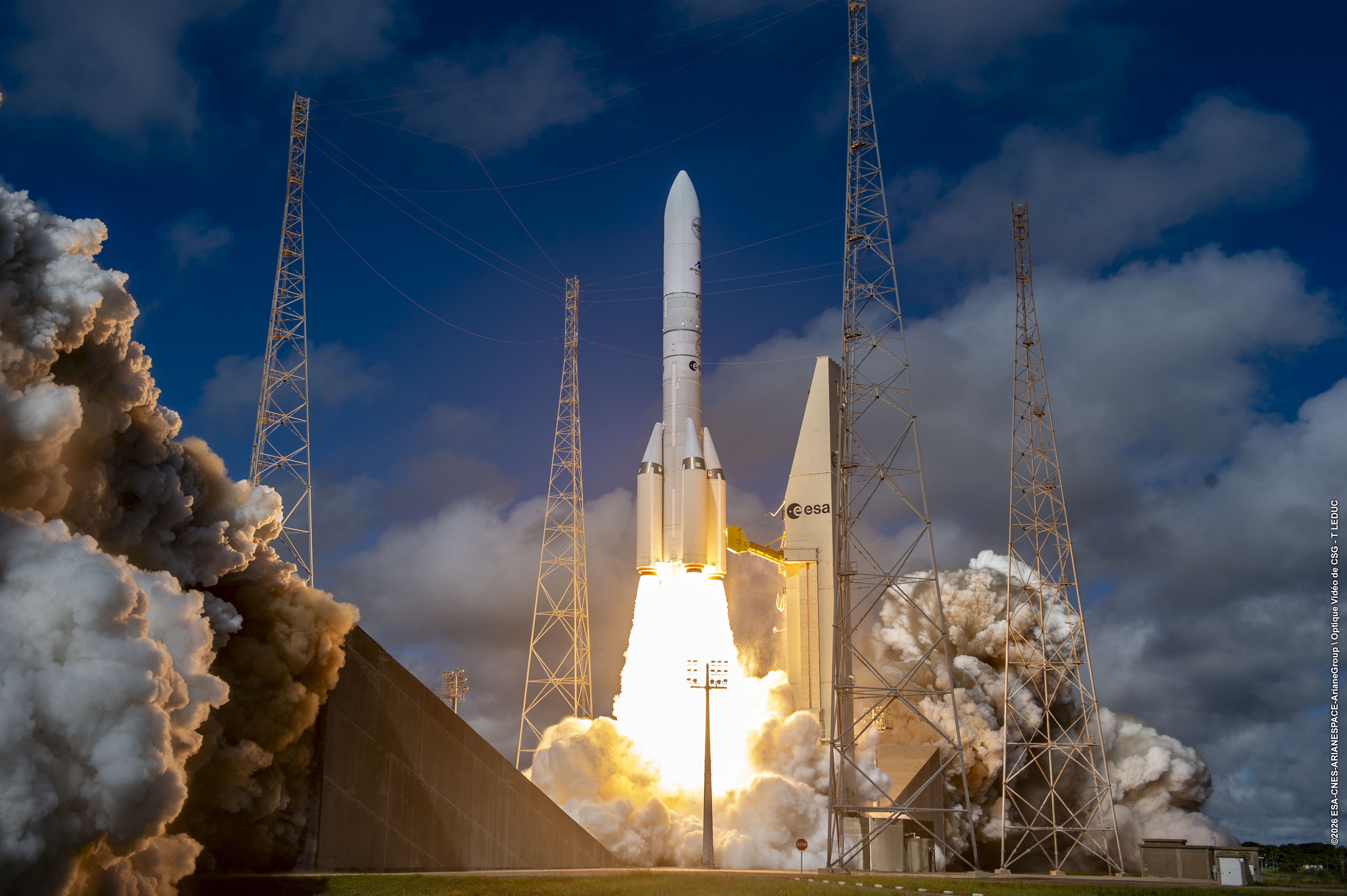
Ariane 64 Block 2 | Amazon Leo (LE-04)
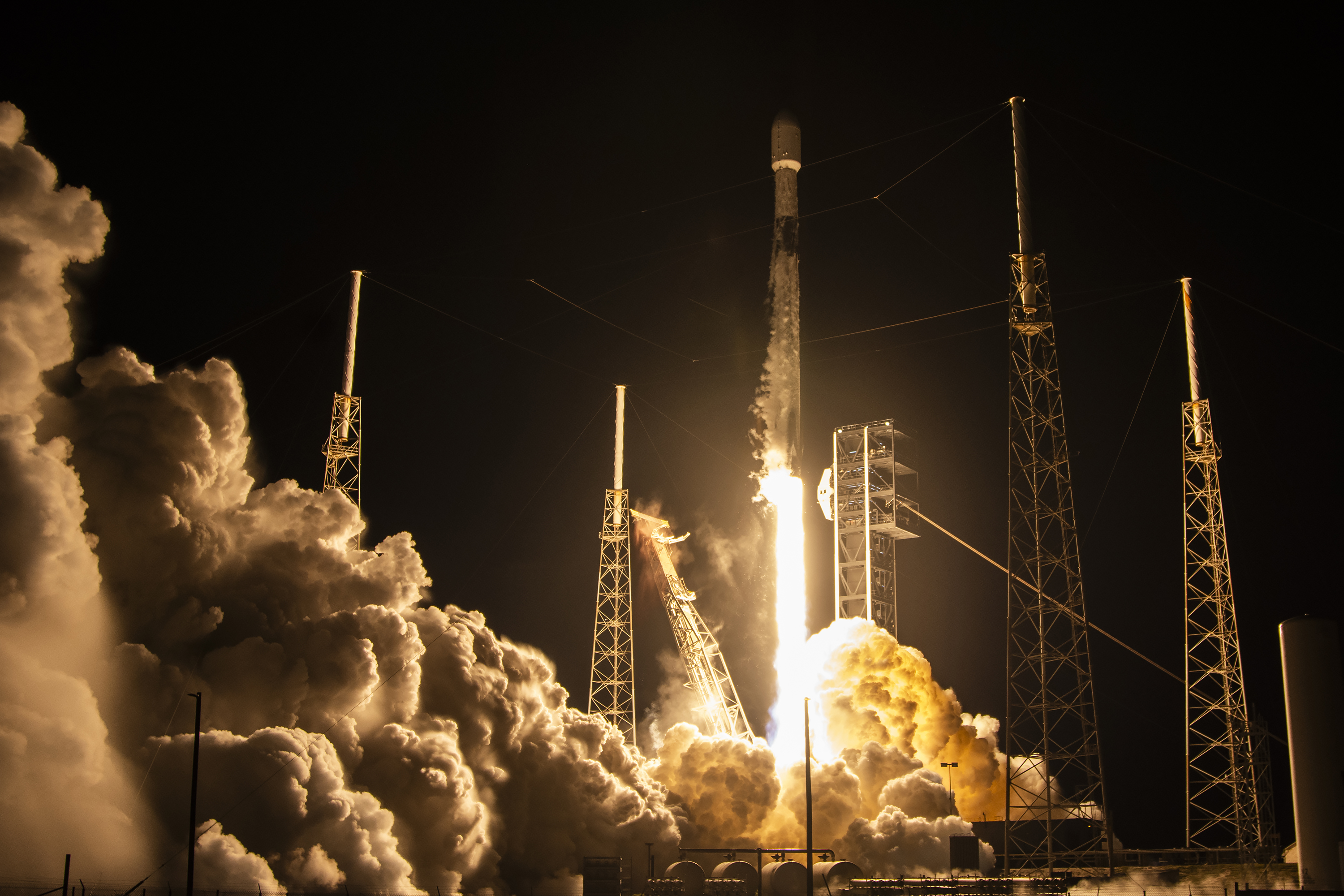
Falcon 9 Block 5 | Bandwagon 5 (Dedicated Mid-Inclination Rideshare)
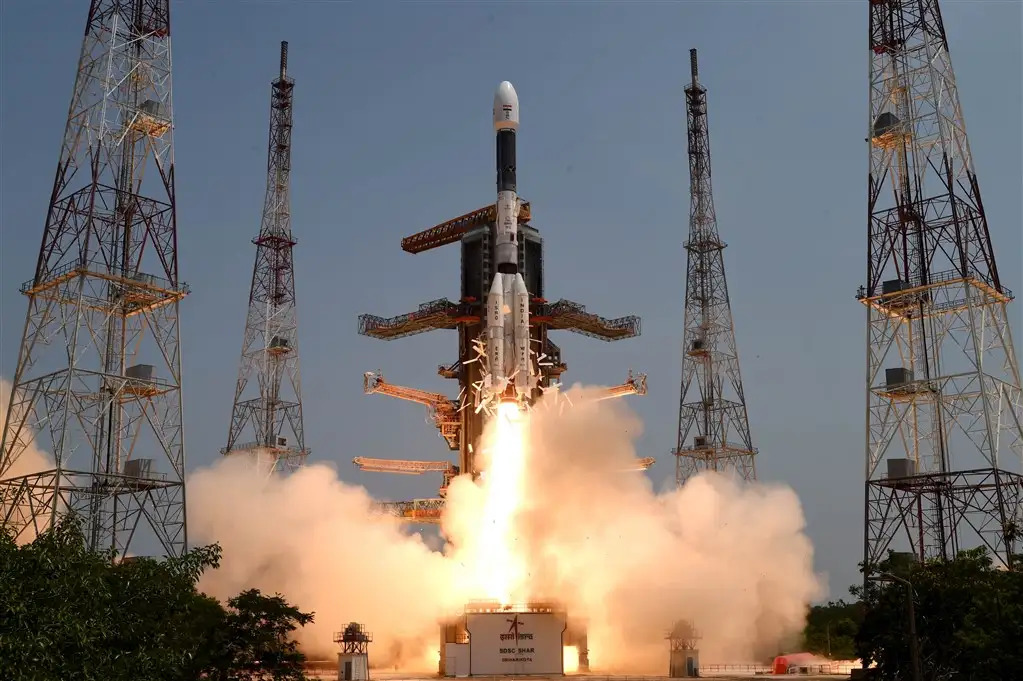
GSLV Mk II | IRNSS-1L (NVS-03)
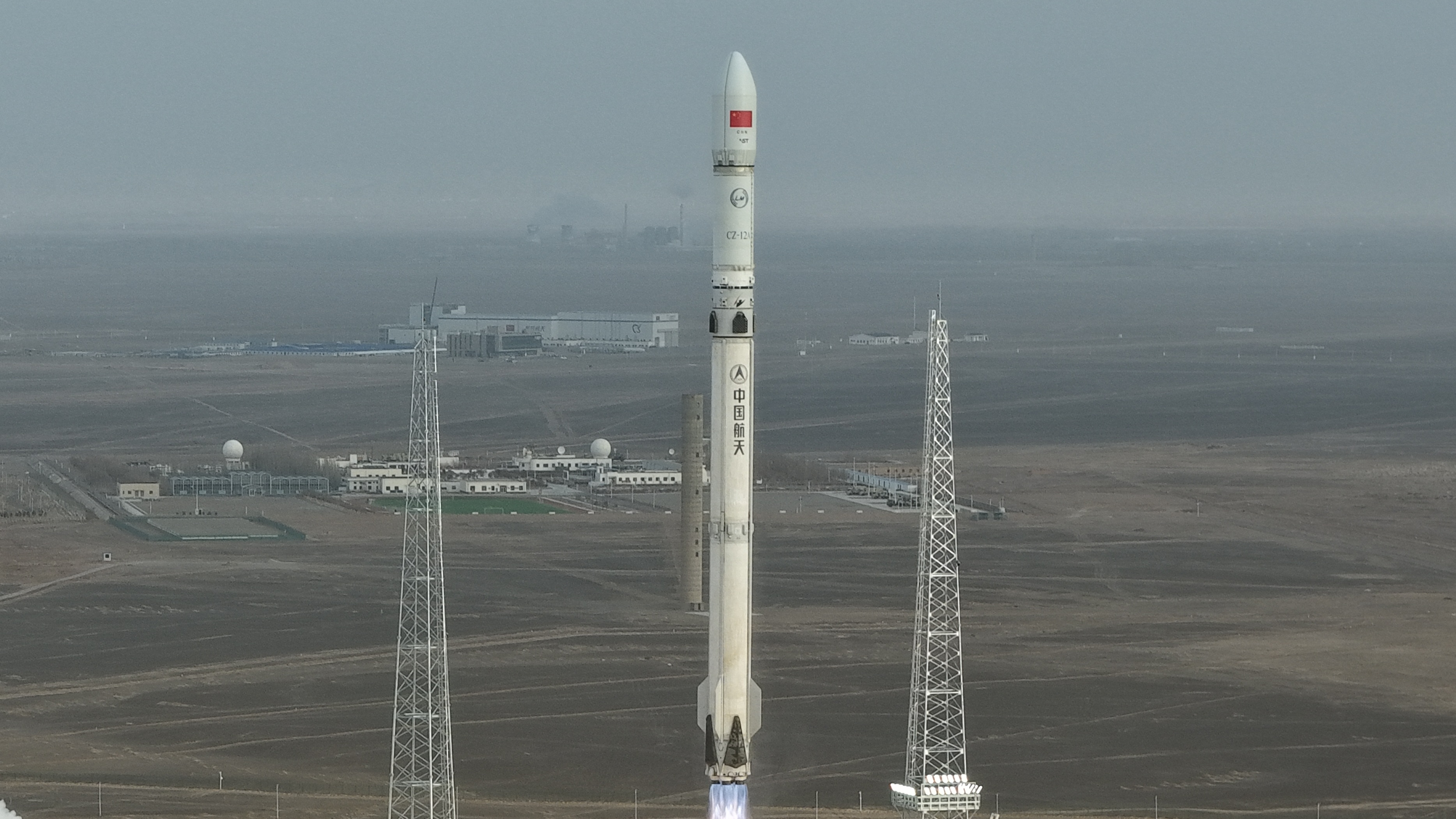
Long March 12A | Flight 2
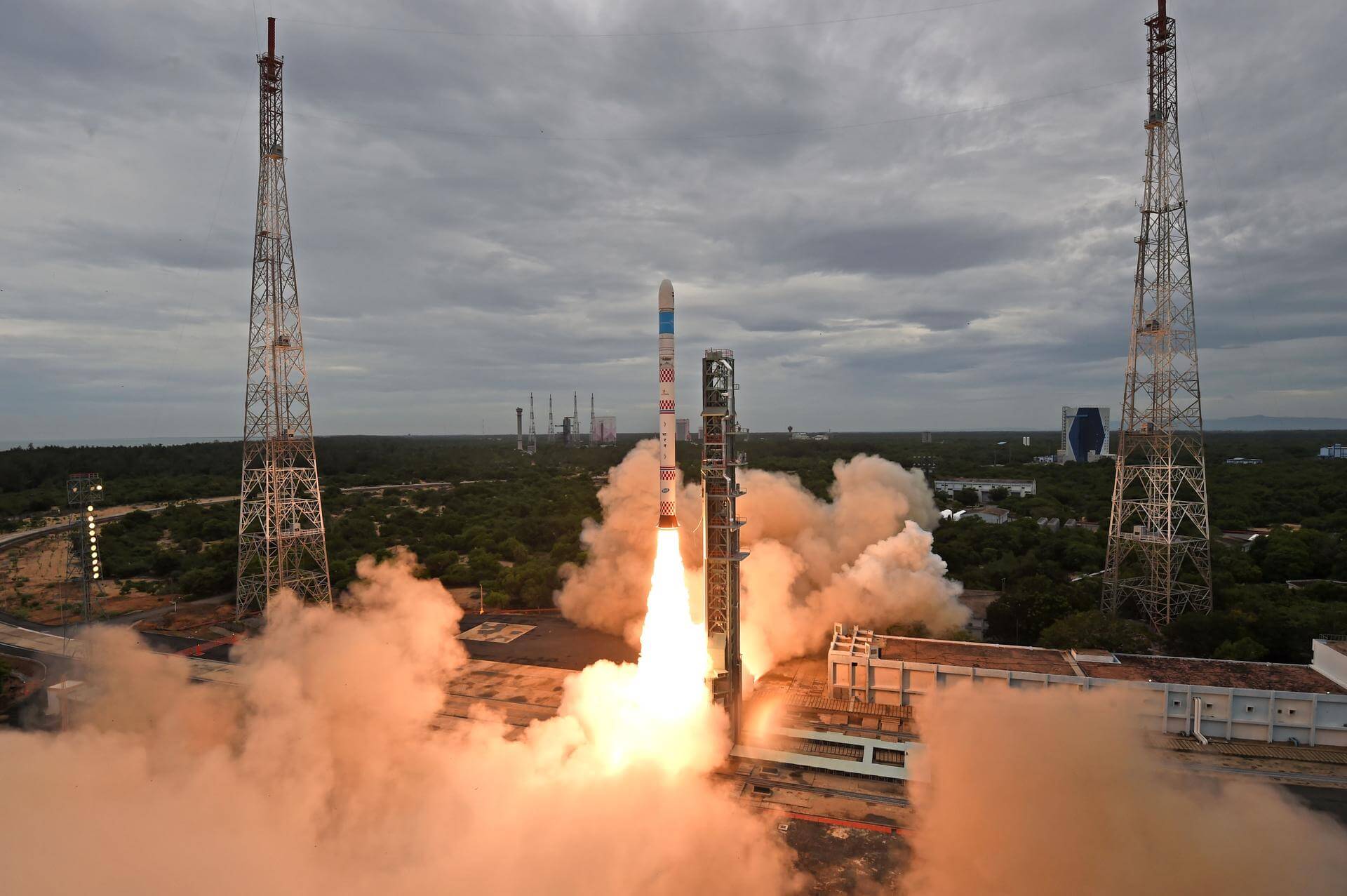
SSLV | AayulSAT-1A & others
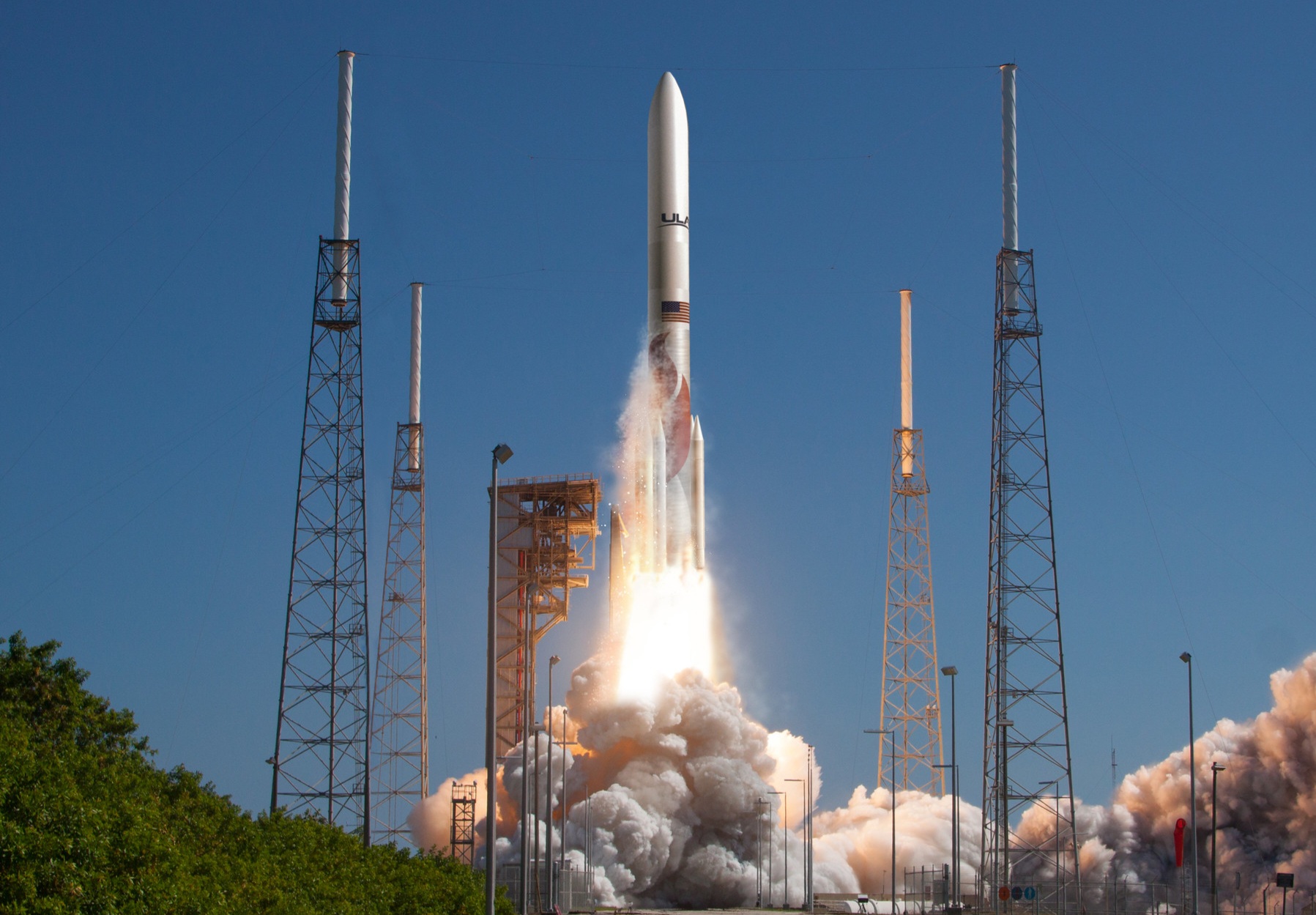
Vulcan VC6L | Amazon Leo (LV-01)
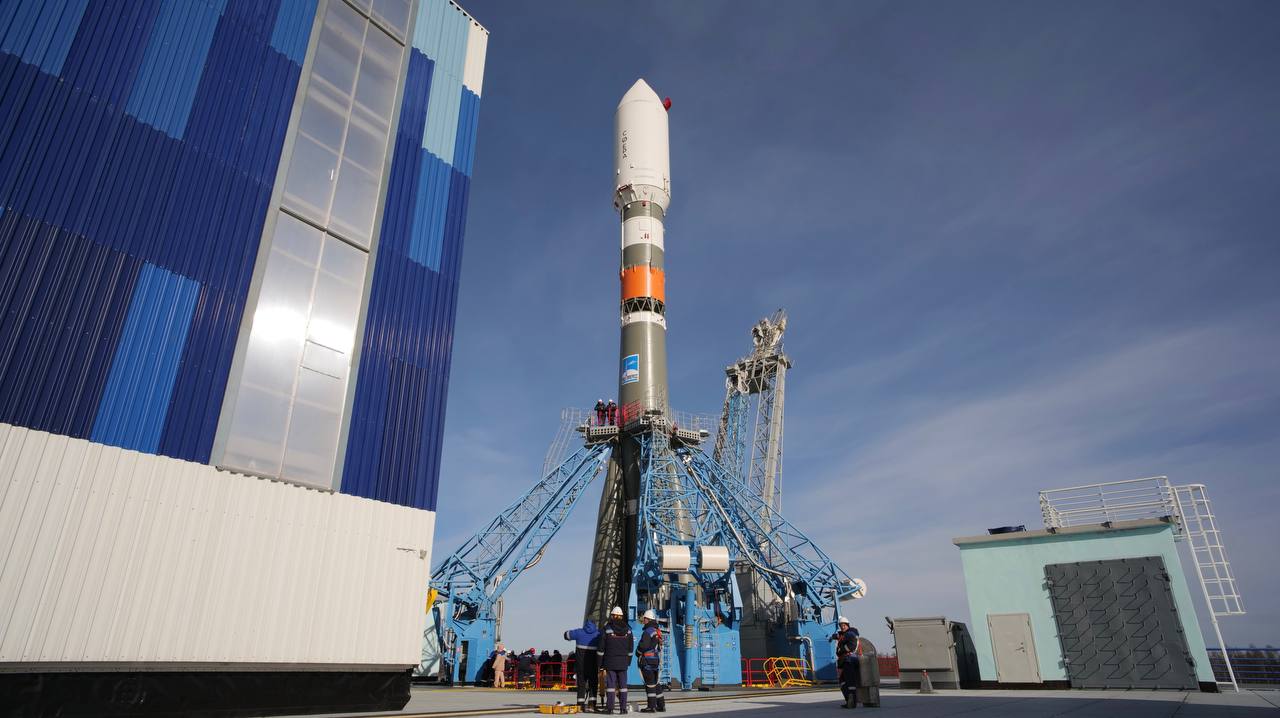
Soyuz 2.1b | Progress MS-36 (97P)
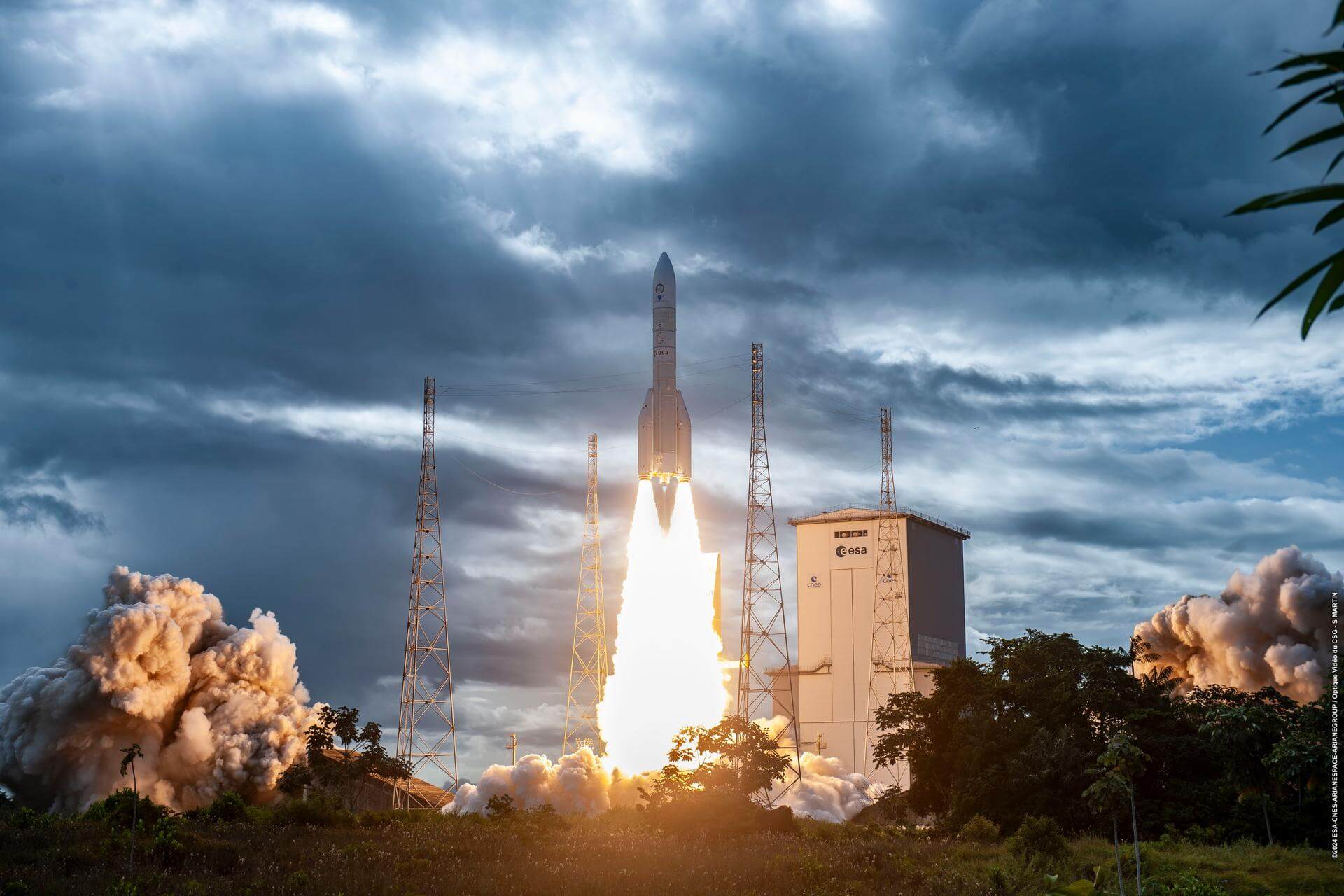
Ariane 62 | Metop-SG B1
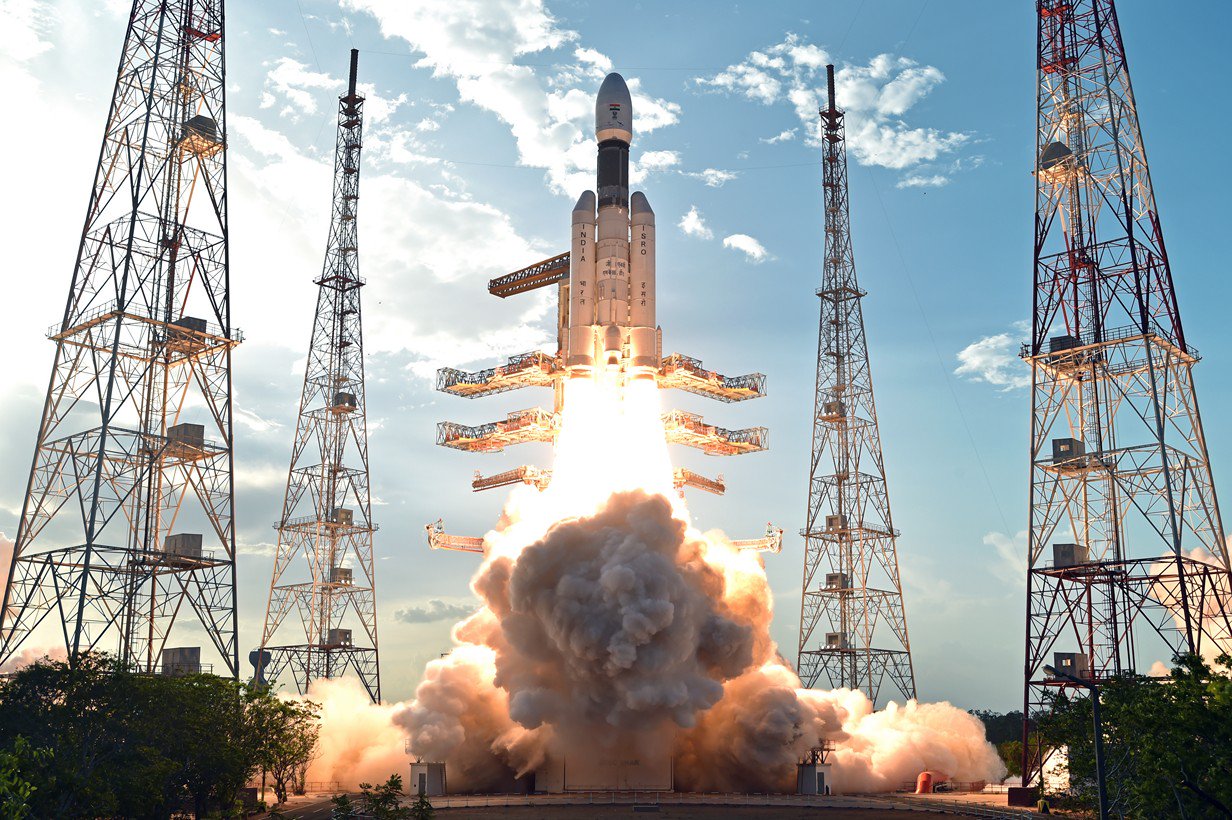
LVM-3 | Gaganyaan-1
2015 TS238
2013 HO11
2007 UW1
2019 SW5
2019 GE1
2013 TH

ESA · today
Earth from Space: Typhoon Surigae
From the ESA Blogs.…

ESA · today
Jammertest pumps up the jam in Norway
NASA · today
APOD: 2026 October 2 – The Complete Sharpless Catalog: 313 Nebulas
NASA · today
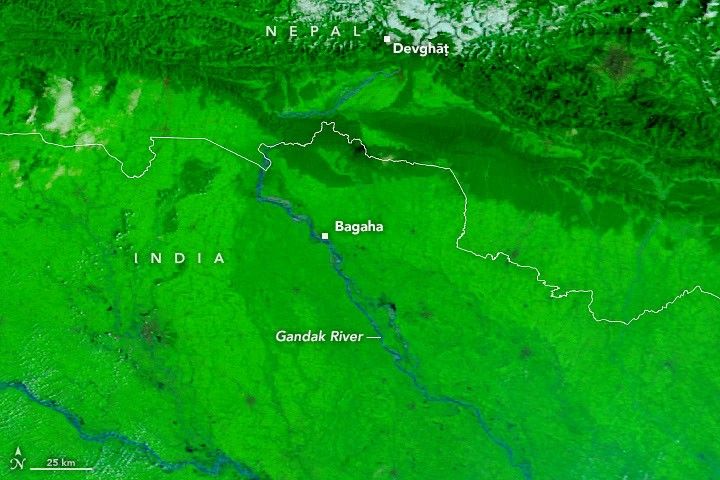
Rains Swamp the Gandak River

SpacePolicyOnline.com · today
Crew-13 Arrives at ISS as Crew-12 Prepares to Depart

NASA · today
10 Things: Movie Night
Spaceflight Now · today
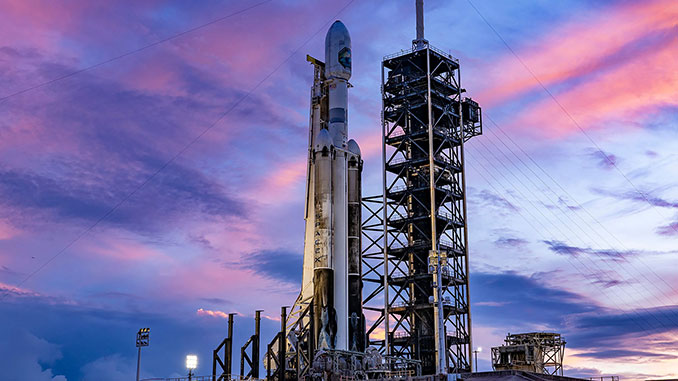
Falcon Heavy to fly its first mission for U.S. spy satellite agency
Scroll from your rooftop to the edge of the observable universe. Every stop is real.
Begin the voyage →The real solar system, computed from orbital mechanics. Scrub time and watch the maths.
Run the simulation →Five questions, one round a day, same for the whole planet. Build your streak.
Play today's round →Put Earth next to the Sun. Then next to a black hole. Watch your brain give up.
Compare anything →Black hole, light-year, quasar — every space term, explained like a human.
Learn the language →Light takes time to travel, so every glance into space is a glance into the past. The night sky shows stars as they were years, even millennia, ago.
In 2015 we caught two black holes colliding a billion light-years away, wobbling spacetime by less than the width of a proton. Einstein predicted it a century earlier.
The Carrington Event made auroras glow over the tropics and shocked telegraph operators. A repeat today could cripple power grids and satellites worldwide.